Polavaram Mandal Dr.B.R.Ambedkar Konaseema District Andhra Pradesh
Clean Room Projects
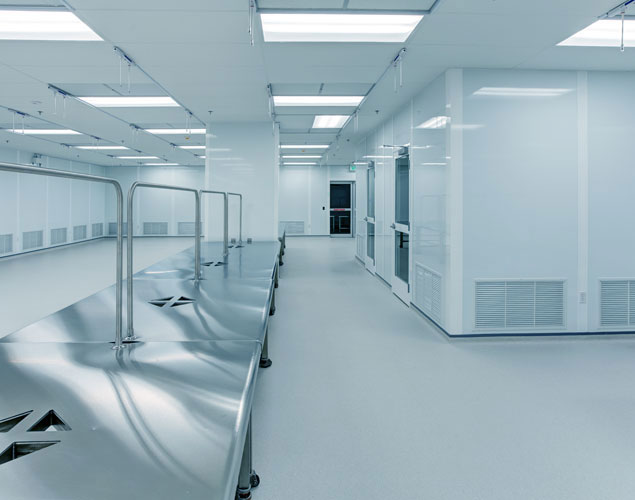
Clean room projects involve several key stages: design, supply, erection, and commissioning. Design focuses on planning the cleanroom's layout, airflow, and environmental controls. Supply refers to procuring the necessary components, including walls, ceilings, filters, and equipment. Erection involves constructing the cleanroom, installing equipment, and ensuring proper connections. Commissioning verifies that the cleanroom operates as intended, meets design specifications, and passes regulatory requirements.
1. Design:
Layout Planning:
Considering the flow of people and materials, optimizing space utilization, and ensuring proper zones for different activities.
Classification:
Determining the required cleanliness level (e.g., ISO Class 7, 8) based on the specific application.
Airflow:
Designing the air circulation system, including supply, exhaust, and air balance to maintain pressure and minimize contamination.
Environmental Controls:
Implementing temperature, humidity, and airflow controls to create a stable and controlled environment.
2. Supply:
Materials:
Providing materials like walls, ceilings, flooring, HEPA filters, and HVAC systems.Equipment:
Procuring specialized equipment for the cleanroom, such as laminar flow benches, gloveboxes, and sterilization equipment.
Accessories:
Supplying accessories like doors, pass-throughs, and other necessary components.
3. Erection:
Construction: Building the cleanroom structure, including walls, ceilings, and partitions.
Installation: Installing the HVAC system, filters, and other equipment.
Connections: Ensuring proper connections between different systems and components.
4. Commissioning:
Verification: Testing the cleanroom's performance, including airflow, temperature, humidity, and filtration.
Documentation: Documenting the commissioning process, including test results and any adjustments made.
Compliance: Ensuring that the cleanroom meets all relevant standards and regulations.

-
Call - 9:00 am to 6:00 pm
+91 9121 721 751
-
Send email
megaengineering99@gmail.com
-
Visit office
Polavaram Mandal Dr.B.R.Ambedkar Konaseema District Andhra Pradesh